

JUST LIKE YOU LIKE IT
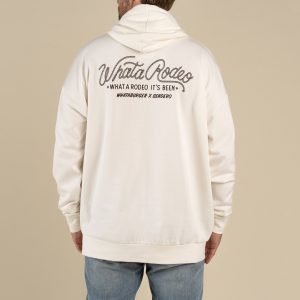
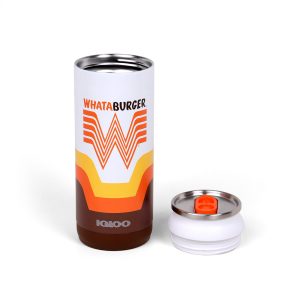
Discover your favorite Whataburger products,shirts,hats, drinkware,
and more at the official whataburger online store!





Discover your favorite Whataburger products,shirts,hats, drinkware,
and more at the official whataburger online store!
COLLABORATIONS
COLLABORATIONS
COLLABORATIONS

COLLABORATIONS

COLLABORATIONS

COLLABORATIONS
COLLABORATIONS

COLLABORATIONS
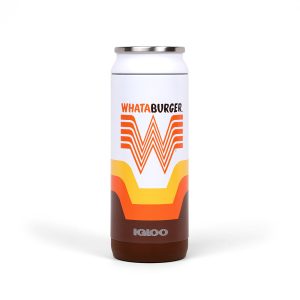
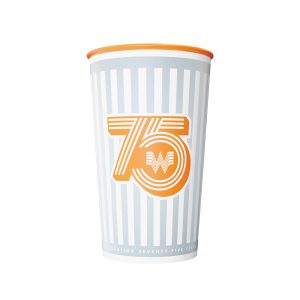
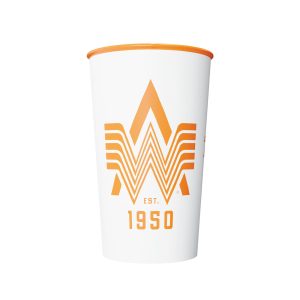
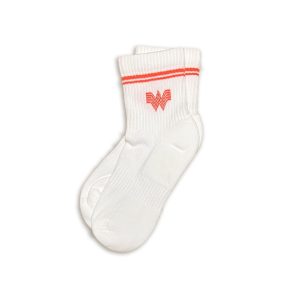
The Just-Right Gifts for the Just-Like-You-Like-It Crowd.
GIFTS



GIFTS


The language of fashion is evolving. For generations, the terms “menswear” and “womenswear” have been the bedrock of the industry’s structure, serving as the initial, non-negotiable divide in every store, catalog, and runway show. This binary system, however, is a construct built on outdated societal norms, and today’s consumers, particularly younger generations, are actively dismantling it. The modern wardrobe is no longer defined by two distinct and separate categories; it is a fluid landscape where personal style and self-expression are the paramount considerations. This shift towards gender inclusivity is not a passing trend; it is a fundamental re-imagining of how we relate to the garments we wear.
One of the most immediate effects of deconstructing the gender binary is the focus on fit and proportion over prescribed form. Traditionally, women’s clothes were often cut to emphasize the waist and bust, while men’s clothes emphasized a broader shoulder and a straighter silhouette. While these cuts served historical purposes, they fail to address the true diversity of human bodies and personal preferences. Inclusive design now prioritizes adjustable, adaptable, or deliberately universal fits. Garments are designed to drape beautifully on multiple body shapes, using techniques like relaxed shoulders, adjustable waistbands, and intentional layering to allow the wearer to define the shape themselves. This design philosophy acknowledges that a single body type does not correspond to a single gender identity.
This aesthetic freedom has profoundly impacted the use of color and texture. The historic demarcation—light colors and decorative patterns for women, dark colors and solid textures for men—has utterly collapsed. Today, vibrant hues, intricate embroidery, and luxurious, flowing fabrics are embraced by people of all identities. Men are confidently incorporating silks, satins, and bold floral prints into their daily attire, while women are drawing on the strength and minimalism of tailored suiting in charcoal and navy. Color is now understood as an emotional and artistic choice, divorced from the constraints of gender, leading to more expressive and interesting ensembles across the board. The simple white shirt, the classic grey sweater, or the versatile black trouser become canvases for an individual’s unique aesthetic, rather than components of a uniform.
The move toward inclusivity is also a significant driver for ethical and sustainable consumption. When apparel is categorized solely by gender, it often perpetuates a cycle of rapid trend shifts, particularly in the historically volatile “womenswear” market. By designing garments that are meant to last, to be versatile, and to be wearable by anyone, the emphasis naturally shifts to quality materials and timeless design. A gender-neutral approach encourages the creation of capsule wardrobes—collections of high-quality, enduring pieces that can be mixed, matched, and passed down irrespective of the wearer’s identity. This intrinsic focus on longevity and universality combats the disposable nature of fast-paced, binary-driven consumerism.
Beyond the purely aesthetic, the dismantling of gendered apparel has a deep psychological and cultural impact. For individuals who do not fit neatly into the male/female binary, or for those who simply prefer styles traditionally assigned to a different gender, the proliferation of non-gendered options offers profound validation. Style becomes a safe space for authenticity, reducing the pressure to conform to limiting external expectations. When a person can select a garment based purely on what resonates with their internal sense of self, it’s a powerful act of self-affirmation. The industry is moving from telling people how they should look to empowering them to decide for themselves.
In conclusion, the modern wardrobe is a reflection of a society that is increasingly valuing individuality and complex identity. The future of apparel is not about the separation of “men’s” and “women’s” departments, but about the consolidation of a single, inclusive space where everyone can find garments that fit their body, reflect their spirit, and contribute to a more sustainable world. This revolutionary period in design is celebrating the wearer’s narrative above all else, marking a triumphant shift from rigid categorization to boundless, personal expression. The freedom to dress is, ultimately, the freedom to be.